Costa Rica travel guide
Jaguar Rescue Center: How to Visit from Puerto Viejo
Plan a visit to Jaguar Rescue Center near Puerto Viejo, including what the sanctuary does, public tours, wildlife expectations and responsible visiting.
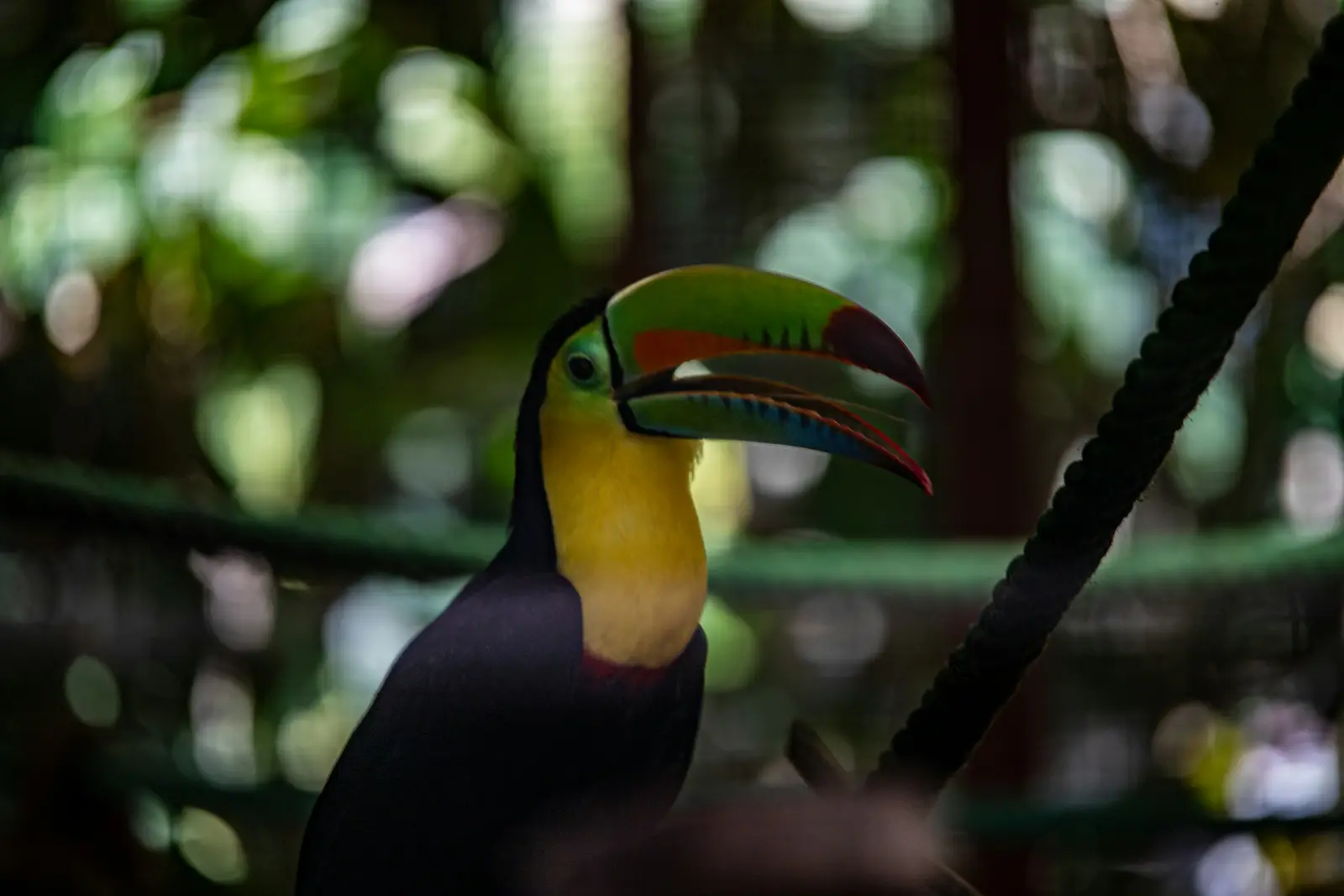
Jaguar Rescue Center is a wildlife rehabilitation organization near Puerto Viejo where visitors can learn about rescued animals and the work required to return suitable animals to the wild. Despite the name, this is not a place to visit because you expect to see a jaguar.
The center focuses on injured, orphaned and displaced wildlife including monkeys, sloths, birds, reptiles and other native animals.
Its strongest value for travelers is conservation education.
Where is Jaguar Rescue Center?
The main rescue center is in the Playa Chiquita/Cocles area south of Puerto Viejo de Talamanca.
That makes it easy to combine with a southern-coast day.
You can visit the center and still leave time for Punta Uva or another Puerto Viejo beach.
The organization also manages a forest release site used in rehabilitation work.
What does the center do?
Jaguar Rescue Center describes its mission around rescue, veterinary care, rehabilitation and release.
Some animals can return to the wild.
Others may require longer-term care because injuries, habituation or other conditions make release unsafe.
A responsible visit should focus on that process rather than treating the animals as performers.
What animals might you see?
The exact animals change because this is an active rescue center.
The organization commonly works with:
- sloths;
- monkeys;
- birds;
- reptiles;
- other native mammals.
Do not choose the visit based on a promise to see one particular species.
An animal successfully released before your trip is a conservation success, not a missing attraction.
Public tours
Jaguar Rescue Center currently offers guided public and private tours.
Times, pricing and capacity are volatile, so use the center's official website for the current booking details.
Guided access matters because staff can explain why each animal is present and how rehabilitation decisions are made.
Do not arrive expecting to wander independently through a zoo.
Is the center ethical?
Wildlife rescue centers need to be judged by what they do with animals, not by how close visitors can get.
Positive signs include:
- veterinary care;
- rehabilitation goals;
- release programs;
- controlled visitor interaction;
- education about threats to wildlife;
- efforts to reduce electrocution and habitat problems.
The Jaguar Rescue Center publishes information about rescue/release work, forest conservation and wildlife electrocution mitigation.
Visitors should follow the center's rules rather than seeking touching, feeding or staged photos.
Why wildlife rescue matters around Puerto Viejo
The southern Caribbean has abundant wildlife living close to roads, homes and electrical infrastructure.
That creates risks from vehicles, dogs, habitat fragmentation and power lines.
The center's conservation programs include work related to electrocution risk as well as a forest release area.
Seeing this context can change how you approach wildlife elsewhere in Costa Rica.
How long should you allow?
Allow enough time for the guided tour plus transport from your accommodation.
Do not schedule the visit between two tightly timed excursions.
A relaxed half day can combine the center with lunch and beach time south of Puerto Viejo.
If you are cycling, account for heat and tropical rain.
Jaguar Rescue Center or a wildlife tour?
They answer different questions.
A rescue-center visit is about animals under human care because something went wrong.
A wildlife tour in Cahuita National Park or Gandoca-Manzanillo is about finding wild animals in natural habitat.
For wildlife-focused travelers, doing both creates useful contrast.
Can you combine it with a chocolate tour?
Yes.
Current Puerto Viejo activity inventory includes products that combine wildlife/conservation experiences with cacao or Indigenous cultural experiences.
That can make sense if you want one structured half day rather than separate bookings.
Compare the exact itinerary before booking because combination tours vary.
Should families visit?
The center can be a strong family activity because the conservation story is concrete and the guided format gives context to animal encounters.
Children still need to follow the same rules about noise, distance and touching.
This is not a petting zoo.
Photography and animal distance
Treat photography as secondary to the rehabilitation environment.
Follow staff instructions about where to stand and whether a particular animal can be photographed. Avoid trying to trigger eye contact, movement or a closer pose.
A rescue center is most successful when animals that can be released remain as independent from people as possible. That can make the visitor experience less dramatic, but it is better for the animal.
The same principle applies throughout Costa Rica: a close wildlife photo is not worth changing an animal's behavior.
What should you bring?
Bring:
- light clothes;
- rain protection;
- insect repellent;
- water;
- comfortable walking shoes;
- patience.
Check the center's current visitor instructions before travel.
Where does it fit in a Puerto Viejo stay?
For four nights, a balanced plan could be:
- Cahuita National Park;
- southern beaches + Jaguar Rescue Center;
- Gandoca-Manzanillo;
- surf, cacao or flexible beach time.
Use things to do in Puerto Viejo to compare the full activity mix.
The rescue center is most valuable when it adds conservation context to the wildlife you hope to see elsewhere, not when it replaces seeing healthy animals in protected habitat.
Keep planning
Build the rest of your Costa Rica trip
Use the core planning guides to connect where you stay, what you do and the day trips that are worth the travel time.