Costa Rica travel guide
Gandoca-Manzanillo Wildlife Refuge: How to Plan a Visit
Plan a visit to Gandoca-Manzanillo Wildlife Refuge from Puerto Viejo, including Manzanillo, beaches, forest, reef habitat, wildlife and practical trip choices.
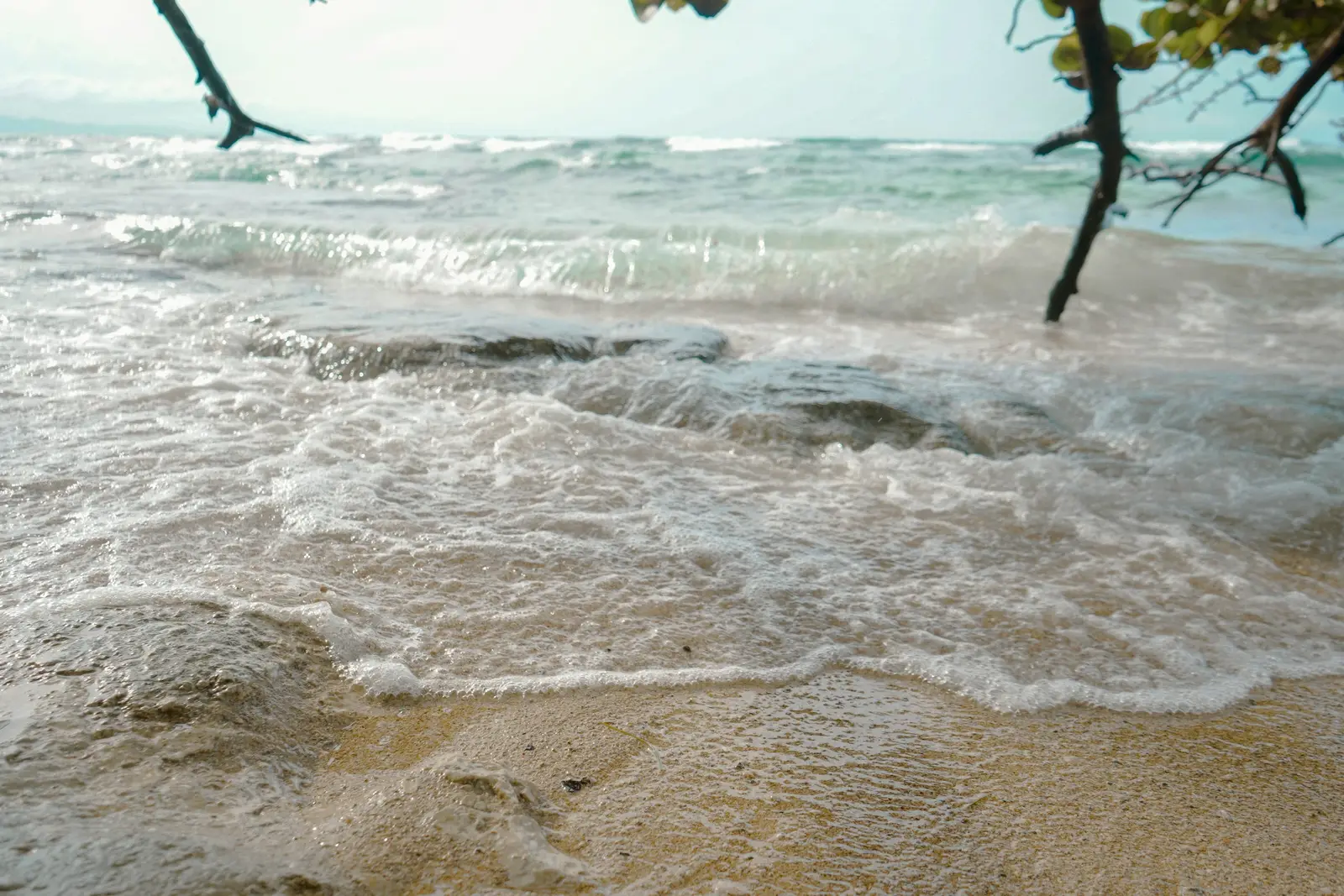
Gandoca-Manzanillo Wildlife Refuge is the protected southern end of the Puerto Viejo coastal corridor, where forest, beach, wetland and reef habitats meet close to the Panama border. For most visitors staying in Puerto Viejo, the practical way to experience it is through Manzanillo and the surrounding coast rather than trying to “cover” the entire refuge.
This is a nature-and-coast day, not a checklist attraction.
What does the refuge protect?
Official Costa Rica tourism information describes Gandoca-Manzanillo as a mixed public/private wildlife refuge protecting a combination of beaches, wetlands, lagoons, reef, seagrass and forest environments.
The protected reef extends around Punta Uva, Manzanillo and Punta Mona.
Wildlife conservation includes marine turtles and other threatened species, while the area also protects important coastal habitat.
That ecological variety is the main reason to visit.
Manzanillo is the practical visitor base
Manzanillo is the small coastal village at the end of the main tourist road south from Puerto Viejo.
For many travelers, simply reaching Manzanillo, spending time on the beach and walking into nearby protected forest is enough for a rewarding day.
Do not imagine a giant visitor center with one formal loop trail covering the reserve.
The refuge is a large protected landscape with different sectors and access patterns.
How does it differ from Cahuita?
Cahuita National Park is the easier choice for a first structured wildlife walk.
Its coastal trail and visitor access are more straightforward, and the park is well suited to combining guided wildlife with reef snorkeling.
Gandoca-Manzanillo feels more like an extension of the southern Caribbean landscape.
Choose Cahuita when you want a clear national-park day.
Choose Manzanillo/Gandoca when you want to explore farther south, combine beaches with forest and experience a quieter edge of the Puerto Viejo region.
Many four- or five-night visitors can do both.
Beaches and reef habitat
The refuge includes attractive Caribbean coastline and reef systems.
Punta Uva and Manzanillo are among the best-known visitor areas in the broader protected corridor.
Snorkeling or swimming depends on current sea conditions and appropriate access. Coral environments should be treated carefully: do not stand on coral or assume every reef area is suitable for unsupervised entry.
A local guide can be useful when marine conditions or trail choices are unfamiliar.
Wildlife
The refuge protects habitat for a wide range of tropical wildlife.
Possible sightings include monkeys, sloths, birds, reptiles and marine species, but the area should not be sold as a guaranteed wildlife show.
Move quietly, keep distance from animals and avoid feeding wildlife.
If seeing specific animals is a major goal, a naturalist guide will generally improve your chances of noticing what is already there.
Sea turtles
The Gandoca area is associated with sea turtle nesting, including leatherbacks.
Nesting is seasonal, sensitive and regulated.
Do not walk nesting beaches at night on your own hoping to find turtles. Use current authorized arrangements and follow conservation guidance.
Dates and access rules can change, so verify locally and through official sources close to travel.
Walking from Manzanillo
A coastal/forest walk from Manzanillo is one of the simplest ways to experience the area.
Expect tropical conditions rather than a manicured urban trail.
Bring water, insect repellent, sun protection and shoes suitable for mud, roots and uneven ground.
After heavy rain, conditions can change quickly.
Avoid setting an ambitious distance target simply because an online map makes the route look short.
Should you take a tour?
A tour is most useful when:
- wildlife spotting is a priority;
- you want interpretation of plants and ecosystems;
- you want help choosing a safe route;
- marine conditions are part of the activity;
- you are interested in a specific conservation or cultural experience.
Independent travelers can still enjoy Manzanillo and appropriate trails without turning the day into a formal excursion.
How much time should you allow?
Half a day is enough for Manzanillo plus a modest walk.
A full day works better if you want to stop at Punta Uva, spend time on the beach and explore the refuge without rushing.
From Puerto Viejo, the value comes from the journey south as much as one single endpoint.
Build in flexibility for weather.
Can you combine it with Cahuita on the same day?
Technically, yes. Strategically, usually no.
Cahuita deserves enough time for wildlife and possibly snorkeling, while Manzanillo lies in the opposite direction from Puerto Viejo.
Combining both creates a transport-heavy day and reduces the relaxed character that makes the Caribbean coast appealing.
Give them separate half-days or days if your stay is long enough.
Best fit in a Puerto Viejo itinerary
For four nights:
Day 1: Puerto Viejo and nearby beach.
Day 2: Cahuita National Park.
Day 3: Punta Uva + Manzanillo + Gandoca-Manzanillo.
Day 4: surf, cacao, wildlife tour or flexible beach day.
That structure gives the southern Caribbean enough room to feel distinct from the Pacific.
Use things to do in Puerto Viejo to choose the remaining activity day.
Keep planning
Build the rest of your Costa Rica trip
Use the core planning guides to connect where you stay, what you do and the day trips that are worth the travel time.