Costa Rica travel guide
Guanacaste, Costa Rica: Beaches, Volcanoes and Where to Base Yourself
Plan Guanacaste with practical advice on Tamarindo, Papagayo, Coco, Flamingo, Rincón de la Vieja, beach time, activities and how the region fits a Costa Rica itinerary.
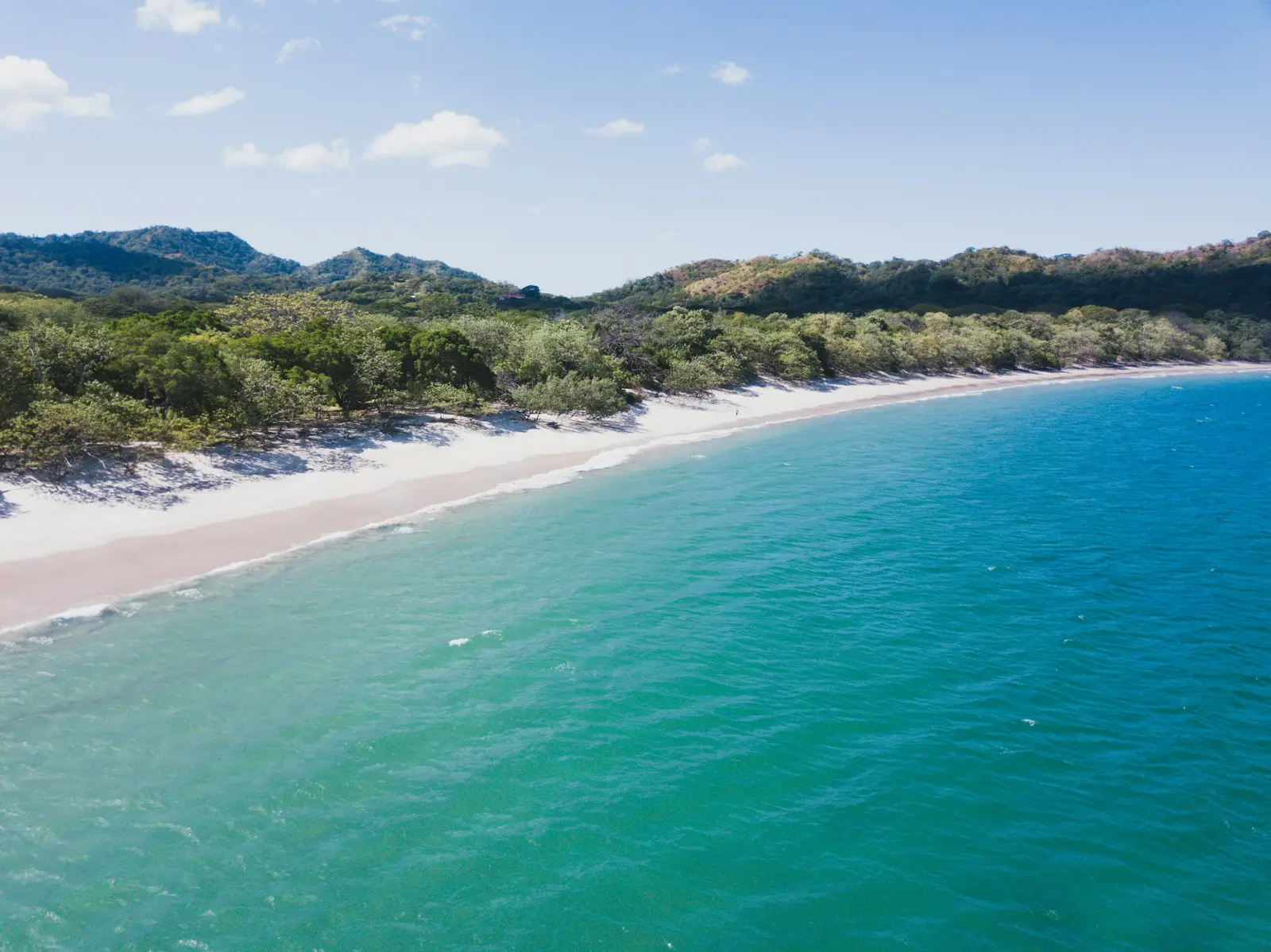
Guanacaste is the part of Costa Rica to choose when you want the northern Pacific coast to be a major part of the trip. The region combines long stretches of beach, established resort areas, surf towns, dry tropical forest and volcanic landscapes around Rincón de la Vieja.
It is also large enough that “Guanacaste” is not a useful single hotel location. Your first decision is whether you want a beach town, resort coast or inland adventure base.
For our standard 10-day itinerary, Manuel Antonio is the easier Pacific finish. Guanacaste becomes especially attractive for a beach-first route or a 14-day trip with enough time for another region.
Why choose Guanacaste?
Choose Guanacaste if you want:
- several different Pacific beach bases;
- surfing or beach-town activity;
- resort-focused downtime;
- dry tropical forest rather than only rainforest;
- Rincón de la Vieja volcano landscapes;
- a northern Pacific route that can work well with La Fortuna and Monteverde.
The official tourism board describes Guanacaste as Costa Rica's driest region and highlights both the coast and volcanic range as defining features.
That makes it feel substantially different from wetter Manuel Antonio and the Caribbean.
Tamarindo: easiest all-round beach town
Tamarindo is a strong first choice for travelers who want a developed town with surfing, restaurants, nightlife and tours.
The advantage is convenience. You can stay in one place and still have plenty to do without treating the hotel as the whole destination.
The compromise is popularity. Tamarindo is not a quiet hidden beach, especially in busy periods.
Choose it when you value choice and walkable visitor infrastructure more than isolation.
Playa Grande: nature-oriented neighbor to Tamarindo
Playa Grande sits near Tamarindo and forms part of the Las Baulas National Marine Park area.
It is known for surf and the protected leatherback turtle nesting environment.
The practical appeal is that you can stay in a quieter-feeling beach setting while remaining close to Tamarindo's broader services.
Wildlife rules and turtle-access conditions can change by season, so use current official guidance rather than assuming unrestricted nighttime beach access.
Flamingo and Potrero: beach plus marina access
The Flamingo/Potrero area is a good fit for travelers interested in boating, fishing and a more relaxed coastal base.
Compared with Tamarindo, the trip can feel less centered on a busy surf-town main street.
This area makes sense if your ideal Guanacaste days combine beach time with a catamaran, snorkeling-oriented boat trip or other marine activity.
Playas del Coco and Playa Hermosa: practical northern bases
Coco is one of the better-known service towns on the northern Guanacaste coast, with restaurants, shops and nightlife.
Nearby Playa Hermosa gives travelers a different balance, with a quieter beach atmosphere while retaining access to the same general region.
These bases can work well for visitors who want to combine coast with inland day trips.
Papagayo: best for a resort-centered stay
The Gulf of Papagayo area is associated with larger resorts and a more self-contained vacation style.
Choose it when high-end accommodation, on-property facilities and planned excursions matter more than having a classic walkable beach town outside the hotel.
For independent travelers who want to change restaurants every evening and explore on foot, Tamarindo or another town base may feel easier.
Rincón de la Vieja: the inland counterweight
Guanacaste is not only beaches.
Rincón de la Vieja National Park protects volcanic landscapes with fumaroles, mud pots, trails and waterfalls across different sectors. Around the park, private adventure operations add activities such as tubing, horseback riding, ziplining and thermal experiences.
This is one of the best ways to make a Guanacaste trip feel more varied.
A beach stay plus one or two inland nights can work better than trying to drive from the coast to every activity and back.
How many nights in Guanacaste?
For a beach extension: three nights.
For a beach-focused vacation: five to seven nights can make sense because you can mix slow days with one or two excursions.
For a two-week Costa Rica route: three nights is enough to add a northern Pacific chapter without overwhelming the inland destinations.
On a 10-day trip, adding Guanacaste and Manuel Antonio usually creates too much coast-to-coast movement unless you deliberately remove another stop.
Guanacaste or Manuel Antonio?
Choose Guanacaste for broader beach choice, a beach-first itinerary, surfing, northern Pacific resorts and access to Rincón de la Vieja.
Choose Manuel Antonio when wildlife and a national park are central, and when you want the coast to fit neatly after Monteverde on a short first trip.
Both are good. They solve different itinerary problems.
Our best beaches in Costa Rica guide compares the coastal regions rather than treating them as interchangeable.
Guanacaste or the Caribbean?
The Caribbean side offers a different cultural atmosphere, rainforest setting and weather pattern.
Guanacaste is easier to combine with Arenal and Monteverde in a northern/central route. Puerto Viejo and Cahuita pull the trip east and deserve enough time to justify that change.
For a first trip focused on January through March, Guanacaste's dry-season conditions are a major attraction. For some September–October travel, the Caribbean can have a weather advantage over the Pacific.
Use Costa Rica weather and best time to visit Costa Rica together when making that choice.
Do you need a car?
A car is useful in Guanacaste because beaches and attractions are spread across a large region.
It is not mandatory if you stay at a resort, use organized transfers and book tours with pickup. But independent beach-hopping and inland exploration become easier with your own vehicle.
Check the access road to your exact accommodation before deciding whether you need high clearance or 4x4 capability.
Our rental-car guide explains the insurance and route considerations.
Build the Guanacaste cluster around one base
Once you choose the region, use things to do in Guanacaste for the province-wide activity shortlist and where to stay in Guanacaste for the location decision.
If a walkable surf town appeals to you, continue to the Tamarindo guide and things to do in Tamarindo. If inland volcano and adventure are the priority, start with Rincón de la Vieja.
Flying into LIR and staying in Tamarindo? The Guanacaste Airport to Tamarindo guide covers the ground-transfer decision.
What should you book first?
Start with the base, not the tours.
Decide whether the trip is centered on Tamarindo, the Papagayo/northern coast, Flamingo/Potrero or an inland Rincón de la Vieja stay. Then add activities that make sense from that location.
A good Guanacaste plan often needs fewer paid excursions than La Fortuna. Beach time is part of the reason you came.
If you are comparing the region against the rest of the country, use where to stay in Costa Rica and the Costa Rica route map before committing to the extra transfer.
Keep planning
Build the rest of your Costa Rica trip
Use the core planning guides to connect where you stay, what you do and the day trips that are worth the travel time.