Costa Rica travel guide
Cahuita National Park: Trails, Wildlife, Beaches and Snorkeling
Plan Cahuita National Park with practical advice on entrances, coastal trails, wildlife, beaches, snorkeling, guides and how to visit from Puerto Viejo.
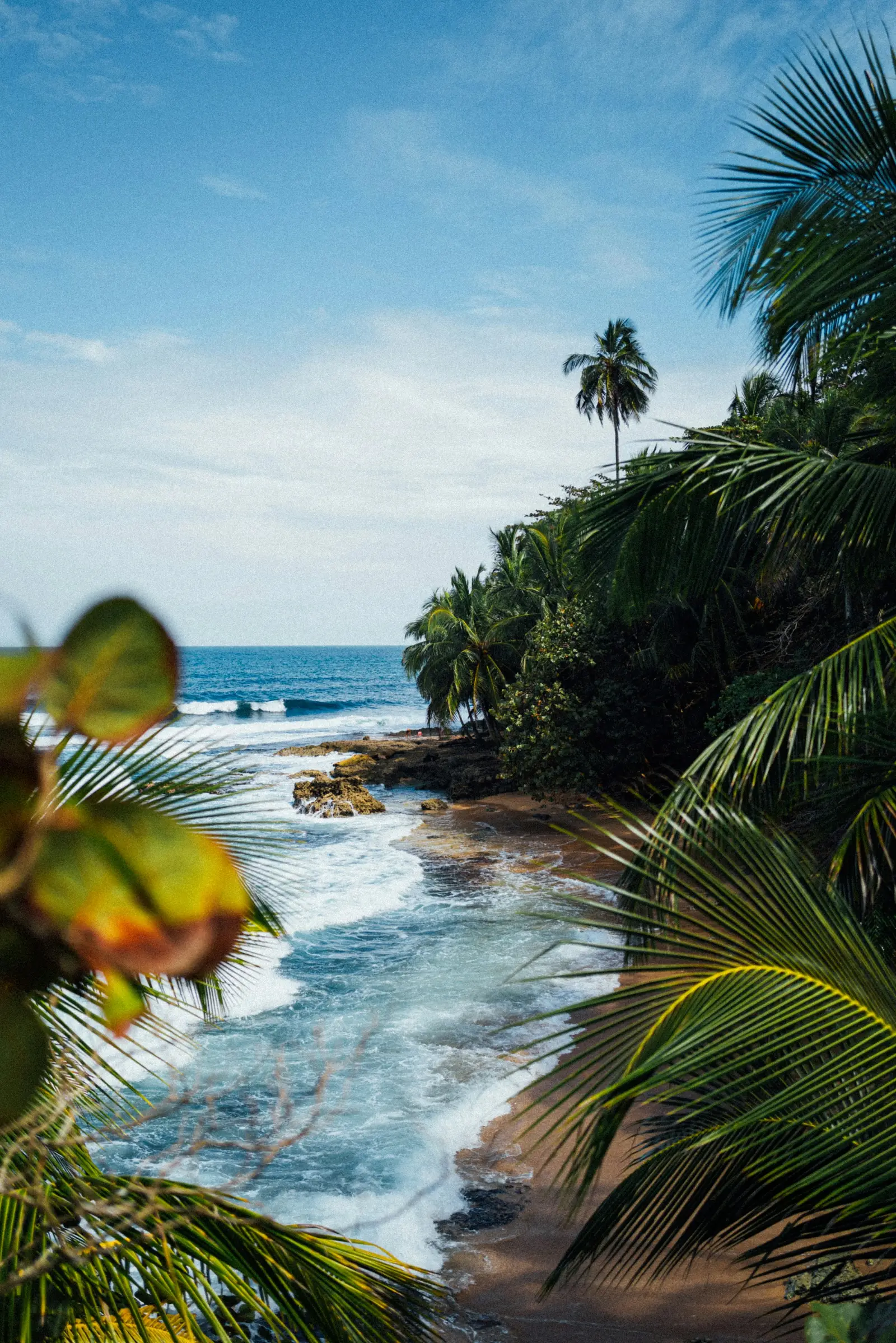
Cahuita National Park is one of the easiest places in Costa Rica to combine rainforest wildlife, beach and reef in a single day. The protected area sits directly on the southern Caribbean coast, with access near Cahuita village and through the Puerto Vargas sector.
For travelers based in Puerto Viejo, it is a natural full- or half-day trip.
The key planning choice is whether you want an independent coastal walk, a guided wildlife experience, snorkeling, or a combination.
What makes Cahuita different?
Cahuita is not an inland forest park with one viewpoint at the end.
The trail follows the coast, so the experience alternates between tropical forest, beach and marine scenery.
SINAC highlights the park's coral reef, white-sand beaches and wildlife including sloths, monkeys, raccoons, coatis, iguanas and basilisk lizards.
That mix gives Cahuita unusually broad appeal for a relatively straightforward day trip.
The two main access sectors
Cahuita has two commonly used visitor sectors: Playa Blanca, beside Cahuita town, and Puerto Vargas, farther south.
Current official information distinguishes the access arrangements between them, including different entry-fee models and operating details.
Because park rules, fees and hours are time-sensitive, verify the current SINAC page shortly before your visit rather than relying on an old itinerary.
If you stay in Cahuita town, Playa Blanca is the obvious starting point.
If you are driving from Puerto Viejo and want a different trail direction or parking setup, Puerto Vargas may be useful.
Should you hire a guide?
You do not need a guide simply to follow the coastal trail.
A guide becomes valuable when wildlife is a priority.
Sloths and monkeys can be high in the canopy, small reptiles blend into vegetation and birds are easy to miss. Naturalist guides often carry spotting scopes and know where to slow down.
For a first Costa Rica wildlife day, that can make the difference between “nice walk” and a much richer nature experience.
Snorkeling in Cahuita
The coral reef is one of Cahuita's defining attractions.
Snorkeling access should be treated differently from casual swimming. Use current authorized arrangements and follow park guidance about where snorkeling is permitted.
Conditions matter. Heavy rain, swell or poor visibility can reduce the value of a snorkeling trip.
A combined guided snorkeling-and-wildlife outing can be efficient if you want both ecosystems in one visit.
Do not touch or stand on coral.
Wildlife you may see
Commonly associated wildlife includes:
- howler monkeys;
- white-faced capuchin monkeys;
- sloths;
- coatis;
- raccoons;
- iguanas;
- basilisk lizards;
- tropical birds.
These are possibilities, not promises.
Visit quietly, keep food secured and do not feed animals. Raccoons and monkeys becoming accustomed to human food is harmful to wildlife and can create problems for visitors.
Can you swim?
The park includes attractive beaches, but safe swimming depends on current conditions.
The Caribbean can develop strong currents and surf. Use designated safe areas when available and follow local warnings.
A beach that looks calm in a photo is not evidence that it will be calm on your visit.
If swimming is a major goal, keep enough flexibility to change plans based on conditions.
What to bring
For a straightforward Cahuita day, bring:
- water;
- sun protection;
- insect repellent;
- light rain protection;
- walking shoes or secure sandals;
- swimwear if conditions allow;
- dry bag or waterproof protection for valuables;
- binoculars if you enjoy birds.
The trail can be hot and humid even when it is relatively flat.
How long do you need?
Two to three hours can cover a shorter wildlife-focused visit.
A half day works better if you want to walk at an unhurried pace and spend time at the beach.
Plan most of a day if you add guided snorkeling, lunch in Cahuita and a longer section of trail.
Avoid scheduling a rigid afternoon activity immediately afterward; tropical weather and wildlife watching make exact timing unreliable.
Cahuita from Puerto Viejo
Puerto Viejo and Cahuita are close enough to combine without changing accommodation.
That is important because travelers sometimes overcomplicate the Caribbean by booking a different hotel for every village.
Stay in Puerto Viejo if you want more restaurants and evening activity. Stay in Cahuita if you want a smaller base with immediate park access.
Either way, the park belongs in the same southern-Caribbean cluster.
Cahuita or Manuel Antonio National Park?
Both combine forest and coast, but they create different trips.
Manuel Antonio National Park fits the central Pacific and our standard 10-day route.
Cahuita fits a Caribbean itinerary and adds reef/snorkeling potential.
Do not choose between them as if they are interchangeable attractions. Choose the coast and route first, then the park.
What should you book?
If you only want to walk and enjoy the beach, you may not need a commercial tour.
Book a guide when wildlife spotting is central.
Book a snorkeling experience when you specifically want the reef and the operator is working within current park rules and conditions.
For the broader activity mix, see things to do in Puerto Viejo.
Keep planning
Build the rest of your Costa Rica trip
Use the core planning guides to connect where you stay, what you do and the day trips that are worth the travel time.