Costa Rica travel guide
Costa Rica National Parks: Which Ones Fit Your Trip?
Compare Costa Rica national parks for a first trip, including Manuel Antonio, Arenal, Tenorio, Rincón de la Vieja, Tortuguero, Corcovado, Cahuita and Poás.
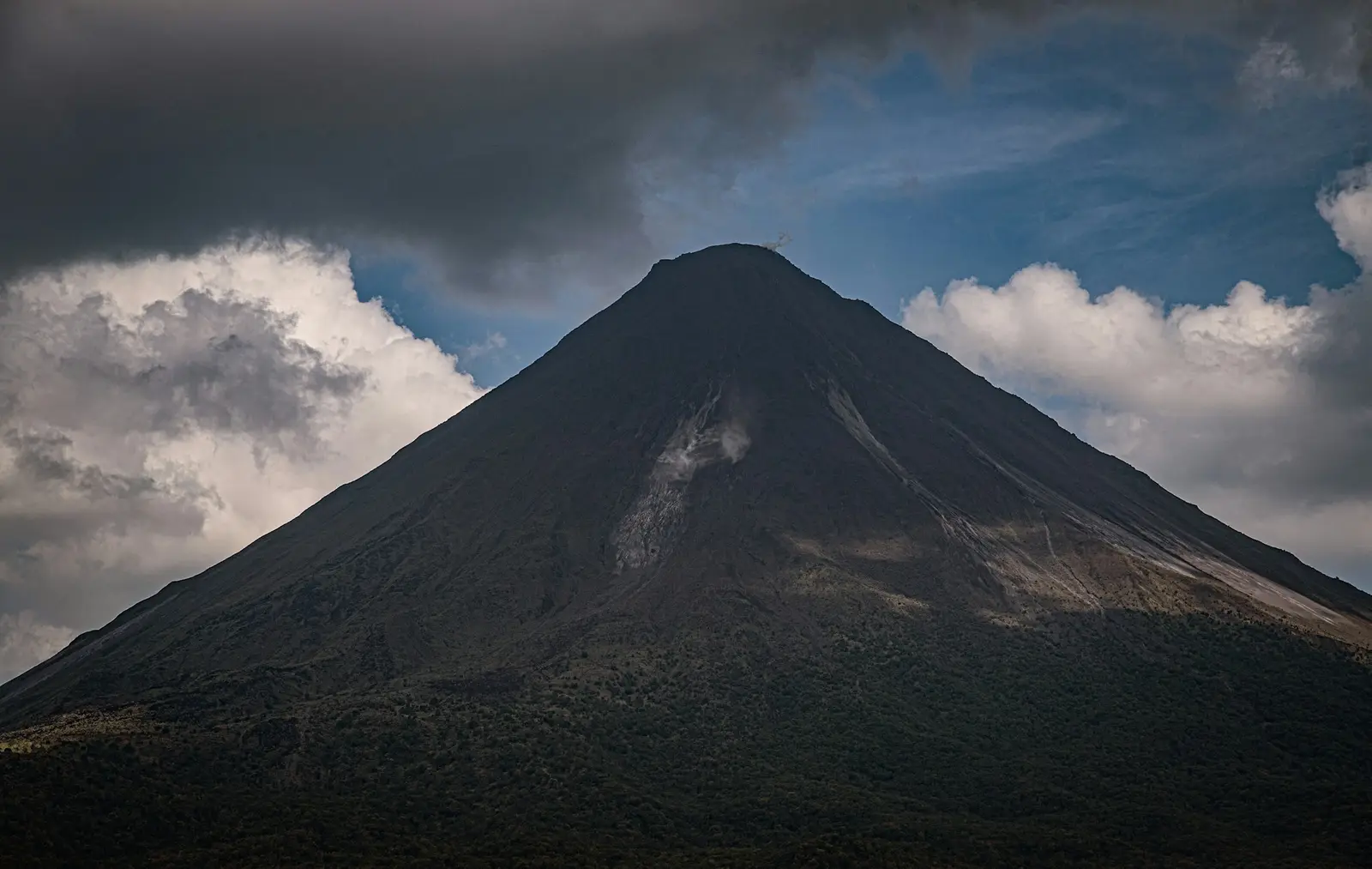
Costa Rica has far more protected areas than you can sensibly visit on one vacation, so the useful question is not “which national park is best?” but “which parks fit my route?” A first-time traveler can see volcanoes, rainforest, wildlife and beaches without collecting park entrances like a checklist.
On our standard 10-day route, Arenal Volcano National Park and Manuel Antonio National Park are the two most natural national-park anchors. Monteverde adds cloud forest, but the famous Monteverde Cloud Forest Biological Reserve is a private reserve rather than a Costa Rican national park.
Arenal Volcano National Park: best fit with La Fortuna
Arenal is the obvious park for travelers already staying in La Fortuna.
The appeal is the volcanic landscape, forest and lava-flow history rather than climbing the active cone. A park visit fits well with hot springs later in the day or can be combined with another Arenal-area nature experience.
Do not confuse “Arenal” with one attraction. La Fortuna Waterfall and Mistico Hanging Bridges are separate sites, and your hotel may be some distance from the national-park entrance.
Use our Arenal Volcano guide to plan the actual visit.
Manuel Antonio National Park: best for wildlife plus beach
Manuel Antonio gives first-time visitors an unusually compact combination of trails, tropical wildlife and Pacific beaches.
That efficiency is why it works so well near the end of a short trip.
The park has controlled entry and official ticketing rules, so it is one of the places where advance planning matters. There is no official park parking lot, and visitors should distinguish private parking operators outside the park from SINAC staff.
Our Manuel Antonio National Park guide covers tickets, timing and how to decide whether to use a guide.
Tenorio Volcano National Park: best known for Río Celeste
Tenorio is the park associated with Río Celeste and its striking blue water.
From La Fortuna, it works as a substantial day trip rather than a quick add-on. The value is strongest when Río Celeste itself is a priority, because the trip uses a meaningful part of the day once road time and hiking are included.
If you only have two full days in La Fortuna, compare it against Arenal, hanging bridges, rafting and hot springs before automatically adding it.
Our Río Celeste from La Fortuna guide helps with that tradeoff.
Rincón de la Vieja: best volcano-and-adventure park in Guanacaste
Rincón de la Vieja National Park is one of the most useful inland additions to a Guanacaste beach trip.
The area combines volcanic features, trails, waterfalls and hot-spring landscapes, while the wider tourism zone adds activities such as tubing, horseback riding and ziplining.
That makes it especially attractive for travelers who want a northern Pacific itinerary but do not want every day to be a beach day.
The park has multiple sectors with different access and operating details, so check the current official information for the sector you plan to visit rather than treating the whole park as one entrance.
Tortuguero National Park: best when canals and turtles are the point
Tortuguero is not a simple road stop.
Its location on the Caribbean side and water-based access make it a destination that needs deliberate itinerary space. Canal wildlife tours and sea-turtle nesting are major reasons to go.
For a short Pacific-focused trip, Tortuguero adds too much route complexity. For a wildlife-focused itinerary, it can be one of the defining destinations.
Season matters if turtle nesting is a core reason for visiting, so verify current species-specific timing rather than relying on a generic “turtle season” label.
Corcovado National Park: best for a dedicated wildlife trip
Corcovado protects a large, remote section of the Osa Peninsula and is a major choice for travelers prioritizing biodiversity and wilderness.
It is not a casual extra for the standard first-time route. Access logistics, guide requirements and the time needed to reach the Osa make it better suited to a longer South Pacific trip.
Official tourism information states that entry is with an authorized guide. That requirement alone changes the planning compared with a simpler self-directed park visit.
Choose Corcovado because you want Corcovado, not because you feel every Costa Rica trip needs the most remote park.
Cahuita National Park: best Caribbean park-and-beach combination
Cahuita sits on the southern Caribbean coast and combines coastal forest, beaches and a protected marine environment.
It works naturally with Puerto Viejo and a Caribbean-focused route.
For travelers choosing between Manuel Antonio and the Caribbean, Cahuita is a useful comparison: both combine nature and beach, but the surrounding route, weather and cultural context are very different.
Trying to include both on a one-week trip usually creates more transport than value.
Poás Volcano National Park: useful near the Central Valley
Poás is one of the most accessible volcano parks from the San José/Central Valley area.
It can fit travelers with extra time near the capital, particularly at the beginning or end of the trip, but volcanic conditions and park access rules can change.
Treat it as a planned excursion with current official verification, not a guaranteed spontaneous stop on the way to the airport.
If you only have one night around San José, city time or a relaxed arrival may be more useful than forcing in another attraction.
What about Monteverde?
Monteverde Cloud Forest is one of Costa Rica's most famous protected landscapes, but the best-known reserve is not a national park.
That distinction matters because ticket systems, management and visiting rules differ.
From a traveler's perspective, the experience still belongs in the same planning conversation: it gives you high-elevation cloud forest, different wildlife and a climate that contrasts strongly with Arenal and the coast.
Do not skip Monteverde simply because it is absent from a national-park list.
How many parks should you visit?
For seven days, one or two major protected areas is enough.
For ten days, two national parks plus Monteverde's reserve gives you excellent environmental variety.
For fourteen days, you can add another region—perhaps Rincón de la Vieja in Guanacaste or a more deliberate South Pacific/Caribbean park—without turning the whole trip into entrance gates and hiking trails.
The best park itinerary leaves time for towns, beaches, hot springs and unstructured travel too.
Before you go
National-park rules can change, especially ticket systems, opening hours, trail access and temporary closures.
Use official SINAC or Visit Costa Rica information before travel, and pay particular attention to parks with reservation requirements or multiple sectors.
Then use our Costa Rica route map to choose parks that sit naturally on the trip you are already taking rather than building the route around a list of famous names.
Keep planning
Build the rest of your Costa Rica trip
Use the core planning guides to connect where you stay, what you do and the day trips that are worth the travel time.