Costa Rica travel guide
Whale Watching in Uvita: Seasons, Tours and What to Expect
Plan whale watching from Uvita and Marino Ballena National Park, including humpback seasons, tour choices, dolphins and responsible wildlife viewing.
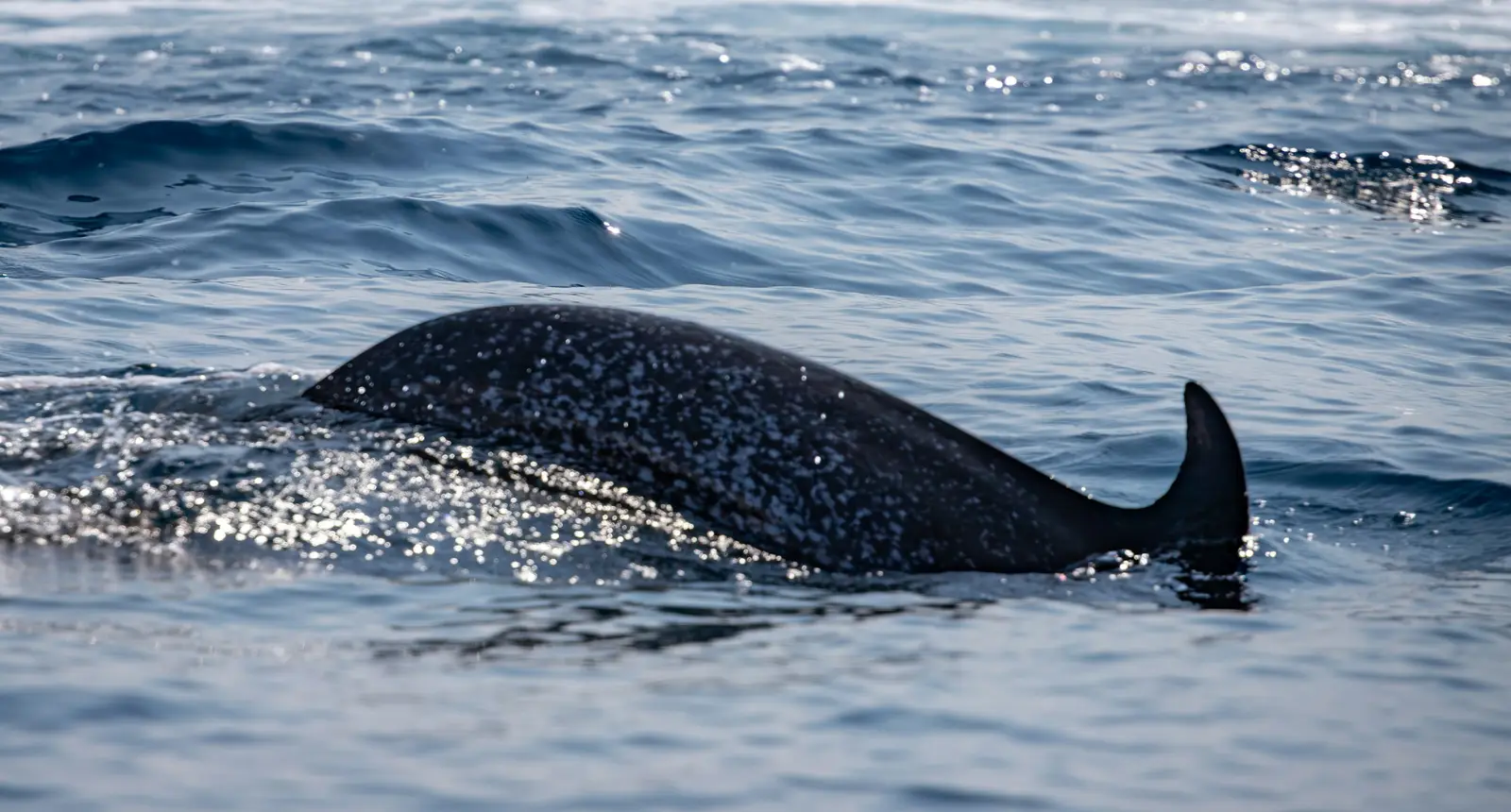
Uvita has two useful humpback-whale windows because whales from different hemispheric populations use Costa Rica's South Pacific at different times of year. That unusual seasonality is the main reason Uvita is one of the country's strongest whale-watching bases.
Whale watching is still wildlife viewing.
No responsible operator can guarantee a specific encounter on demand.
Main whale-watching seasons
Current official and tourism sources describe humpback activity around Marino Ballena across two broad periods.
The stronger South Pacific season is associated with whales arriving from southern populations during the second half of the year.
A second period occurs in the northern winter.
Exact peak months vary between sources and wildlife does not follow calendar boundaries perfectly.
For practical trip planning, August–October and January–February are strong months to investigate first.
Why do humpbacks come here?
The warm protected waters of Costa Rica's Pacific coast are used for breeding and calving.
That means visitors may encounter adults, mothers with calves or social groups depending on timing.
Keep expectations realistic.
You are observing a natural reproductive cycle, not attending a scheduled show.
Where do tours depart?
Most Uvita whale-watching tours depart around Marino Ballena National Park and Bahía Ballena.
Current GetYourGuide inventory includes several locally operated three-hour marine tours.
Some products include park entry; others may structure fees differently.
Read the inclusions before booking.
What else might you see?
Tours may also encounter:
- dolphins;
- sea turtles;
- seabirds;
- coastal rock formations;
- marine scenery.
Some itineraries include swimming or snorkeling when conditions allow.
Treat those extras as conditional.
The primary reason for booking should be the marine-wildlife experience.
How long are tours?
Many current tours are around three hours.
That is enough time to leave the coast, search for wildlife and return without consuming the whole day.
Sea conditions can change the route.
Do not schedule a tight onward transfer immediately after the advertised return time.
Morning or afternoon?
There is no universal wildlife guarantee by time of day.
Morning departures can offer cooler conditions and leave more flexibility later.
Afternoon departures may fit travelers arriving from another destination.
Choose based on sea forecast, operator experience and your itinerary rather than assuming whales only appear at one hour.
What if you get seasick?
A small boat in Pacific swell can be uncomfortable.
If you are prone to motion sickness, prepare before departure according to medical advice appropriate for you.
Eat lightly, stay hydrated and choose a boat/operator setup that feels suitable.
Do not assume the protected park waters will always be flat.
Whale watching in green season
A strong whale period overlaps Costa Rica's wetter Pacific months.
That means a trip can have excellent wildlife potential and frequent rain at the same time.
This is not a contradiction.
If whales are the priority, accept more weather flexibility and plan other Uvita activities around showers.
Read Costa Rica weather before expecting dry-season conditions.
Responsible whale watching
Choose operators that prioritize animal welfare.
Responsible behavior includes:
- keeping appropriate distance;
- limiting approach speed;
- not cutting off animals;
- avoiding excessive crowding;
- following current Costa Rican marine-wildlife rules.
A good guide will sometimes choose not to approach closely.
That restraint is a positive sign.
Can you see whales from shore?
Occasional shore sightings are possible, but a boat tour gives you a much better chance to search the marine park.
Do not plan a trip around standing on the beach and waiting.
The famous whale-tail tombolo is a landscape feature, not a dedicated whale-viewing platform.
Whale watching with children
Families should check minimum-age policies, boat design, shade and life-jacket arrangements with the operator.
Three hours can be a long time for very young children if seas are rough.
Choose comfort and safety over the smallest possible boat.
Uvita or another Costa Rica whale destination?
Uvita is attractive because whale watching sits inside a broader South Pacific destination.
You can combine the tour with beaches, Marino Ballena and waterfalls without building the entire trip around one excursion.
That makes it particularly useful on a two-week itinerary or dedicated South Pacific route.
What should you bring on the boat?
Bring sun protection even on a cloudy day because reflected light on the water can be intense.
Use a secure hat, water-resistant bag and clothing that can handle spray. A light rain layer is useful in green season.
Keep cameras and phones protected until you actually need them.
Binoculars are optional because boats often approach the viewing area closely enough for unaided observation, while responsible distance rules still apply.
Most importantly, arrive early enough that check-in and park procedures do not make the boat wait for you.
What should you book?
First choose the travel window.
Then compare operators on:
- group size;
- guide quality;
- park entry inclusion;
- cancellation policy;
- boat type;
- responsible-wildlife approach.
Do not book solely on a claim of “guaranteed whales.”
Start with the Uvita guide if you still need to decide whether the South Pacific deserves several nights in your itinerary.
Keep planning
Build the rest of your Costa Rica trip
Use the core planning guides to connect where you stay, what you do and the day trips that are worth the travel time.