Costa Rica travel guide
San José to Puerto Viejo: Bus, Shuttle, Transfer or Rental Car?
Compare ways to travel from San José to Puerto Viejo de Talamanca, including public bus, shared shuttle, private transfer and rental car considerations.
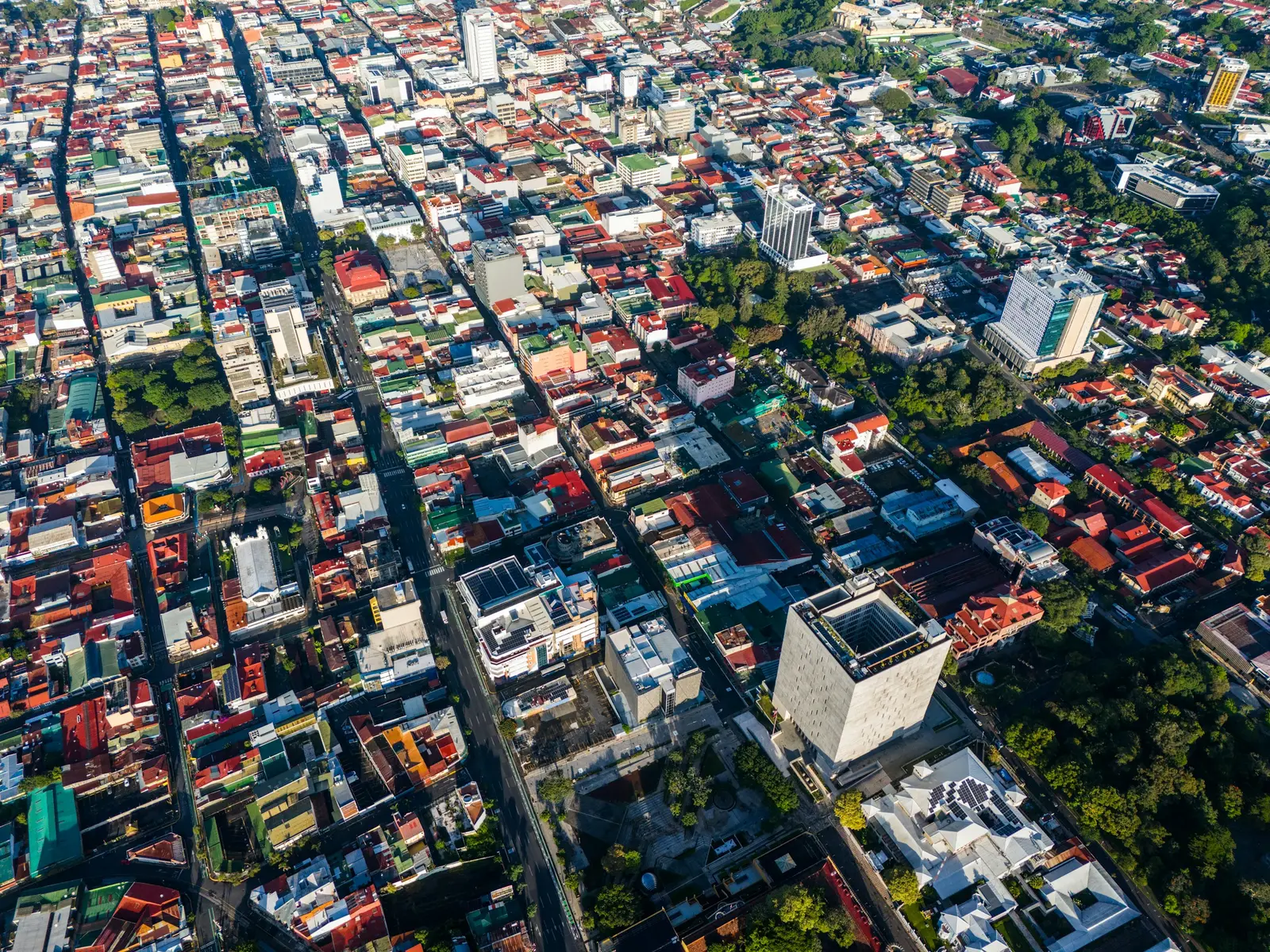
The best way from San José to Puerto Viejo depends on whether you value low cost, door-to-door convenience or having a car for the rest of Costa Rica. The Caribbean transfer is long enough that the transport choice matters, but straightforward enough that you do not need to fly.
For most visitors, the realistic options are:
- direct public bus;
- shared tourist shuttle;
- private transfer;
- rental car.
Do not choose purely on headline travel time. Arrival hour, luggage, hotel location and what happens after Puerto Viejo matter more.
Public bus: best for budget travelers
The direct bus is the lowest-cost mainstream option.
Costa Rica tourism guidance for the Cahuita/Puerto Viejo region identifies direct bus service from San José, with schedules that can vary by day and season.
Because timetables are volatile, verify the current operator schedule before travel rather than using a departure time copied from an old blog post.
The main advantages are price and simplicity.
The disadvantages are fixed departure times, a bus-terminal start and less flexibility if your international flight arrives late.
Shared shuttle: best balance for many visitors
A shared shuttle is usually the easiest middle ground.
You pay more than the public bus but typically get a more tourist-oriented pickup system and fewer logistics at the start or end of the journey.
This works well if:
- you do not want to drive;
- you have normal luggage;
- your schedule fits the shuttle departure;
- your hotel is within the operator's pickup/drop-off area.
Always verify the exact pickup point. “San José” may mean a hotel zone rather than the airport terminal.
Private transfer: easiest for families or groups
A private transfer costs more, but the vehicle leaves on your schedule and goes directly to your accommodation.
The value improves when several travelers share the cost.
It is especially useful after a long international flight, for families with substantial luggage or when a shared-shuttle schedule does not fit.
A private transfer also lets you avoid driving Route 32 yourself immediately after arrival.
Rental car: best if Puerto Viejo is part of a road trip
Driving makes sense when the car remains useful after you reach the Caribbean.
The main route from San José toward Limón uses Route 32 before continuing south along the coast toward Cahuita and Puerto Viejo.
A car adds flexibility for onward travel and makes it easier to change plans between Cahuita, Puerto Viejo and other regions.
But Puerto Viejo itself does not require a car for every traveler. Bicycles, taxis, local transport and tours can cover many local needs.
See renting a car in Costa Rica before booking.
What about San José Airport?
Juan Santamaría International Airport is outside central San José.
That matters because a bus listed as “San José to Puerto Viejo” may leave from a city terminal rather than the airport.
After landing, your choices are usually:
- transfer into the city for a bus;
- use an airport-area shared shuttle if available;
- book a private transfer;
- collect a rental car.
For a late arrival, one airport-area night can be more sensible than forcing a same-day Caribbean transfer.
How long should you allow?
Treat the journey as a substantial half-day transfer.
Roadworks, traffic, weather and stops can all change the actual duration.
Do not book a non-refundable activity in Puerto Viejo shortly after your expected arrival.
Your first Caribbean afternoon should ideally be flexible.
Is the road difficult?
The main route is established, but driving conditions can vary.
Route 32 crosses mountainous terrain before reaching the Caribbean lowlands, and tropical rain can reduce visibility.
If you are uncomfortable driving in unfamiliar conditions, a shuttle or transfer removes that stress.
If you do drive, leave enough daylight and avoid building the day around an unrealistically fast arrival estimate.
Can you stop at Cahuita on the way?
Yes, the coastal route reaches Cahuita before Puerto Viejo when coming from Limón.
Whether stopping is smart depends on luggage and timing.
A quick lunch stop can work.
A full Cahuita National Park visit usually deserves a separate day after you have checked in rather than leaving belongings in a vehicle for hours.
San José to Puerto Viejo or La Fortuna first?
These destinations pull the trip in different directions.
If your itinerary includes both La Fortuna and Puerto Viejo, compare the entire route rather than optimizing only the first transfer.
A common mistake is adding destinations one by one and discovering too late that the trip contains several long cross-country movements.
Use the Costa Rica route map before locking the sequence.
Does Puerto Viejo need to be your first stop?
No.
It can work well near the beginning or end of a trip, particularly when paired with San José and fewer inland regions.
For a 10-day vacation, avoid combining La Fortuna, Monteverde, Manuel Antonio and Puerto Viejo unless you are comfortable spending a large share of the trip in transit.
The Puerto Viejo guide explains how many nights the Caribbean deserves once you arrive.
Which option should you choose?
Choose the public bus for minimum cost.
Choose a shared shuttle for a balance of price and convenience.
Choose a private transfer for easiest door-to-door travel, especially for groups.
Choose a rental car when the vehicle is part of your wider Costa Rica plan rather than only a way to reach Puerto Viejo.
The correct choice is the one that keeps the whole itinerary manageable.
Keep planning
Build the rest of your Costa Rica trip
Use the core planning guides to connect where you stay, what you do and the day trips that are worth the travel time.