Costa Rica travel guide
Coffee Tours from San José: How to Choose a Costa Rica Coffee Experience
Compare coffee tours from San José and Alajuela, including plantation visits, tastings, Poás combinations and what to look for in a good farm tour.
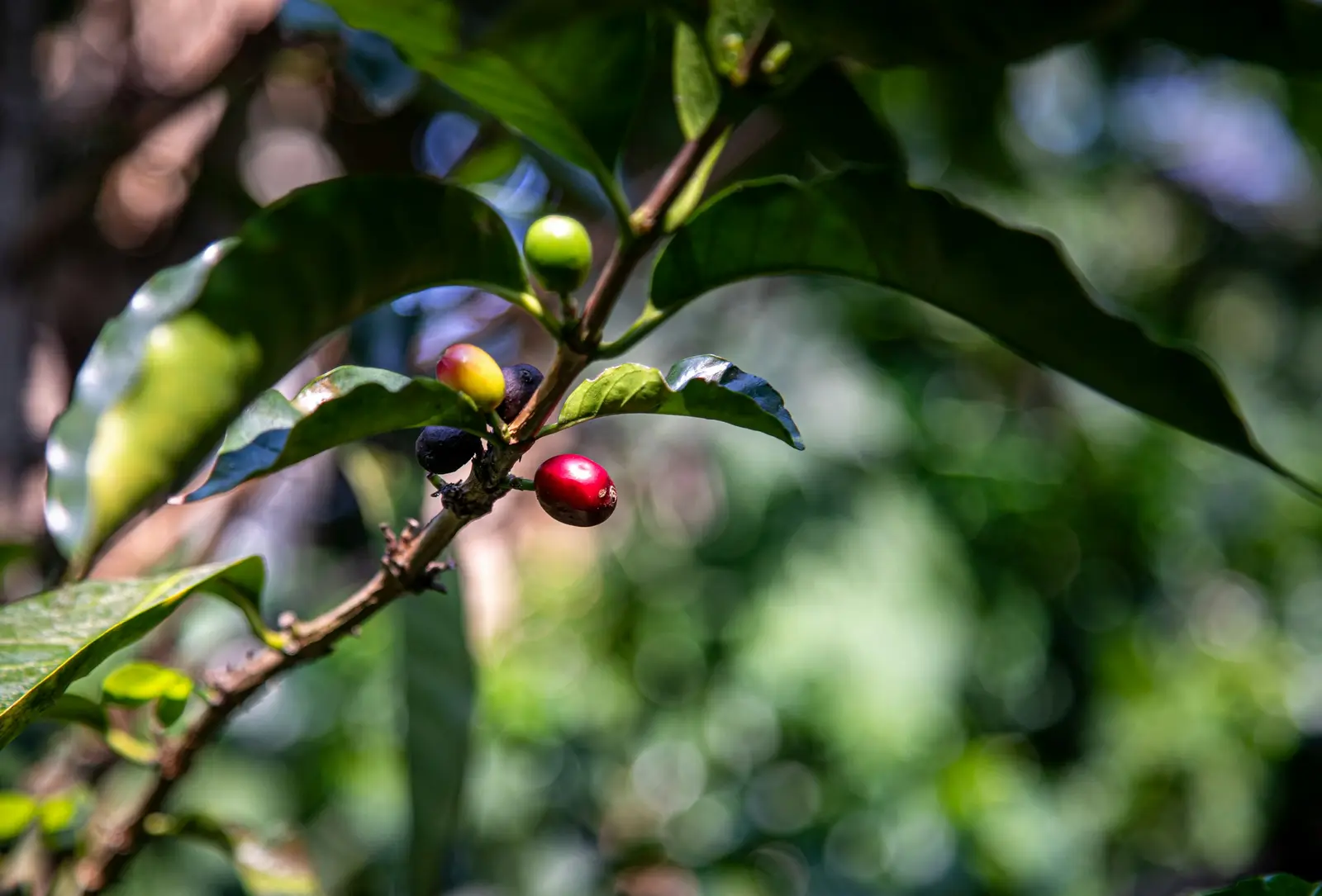
A coffee tour is one of the easiest cultural experiences to add near San José because the Central Valley's highlands put working coffee landscapes close to the capital and airport. The best tours explain cultivation and processing instead of turning the visit into a long souvenir stop.
Choose based on how much of the day you want coffee to occupy.
Why coffee matters in Costa Rica
Visit Costa Rica traces coffee cultivation in the country back to the late 18th century and describes the crop as a major part of Costa Rica's economic development.
Volcanic soils, elevation and distinct wet/dry seasons support Arabica production in several regions.
A farm visit gives useful context to landscapes you otherwise pass through on the way to Poás or La Fortuna.
Dedicated coffee tour or combo day?
A dedicated coffee tour is best if you care about agriculture, processing and tasting.
A combo tour is best if coffee is one part of a first-day introduction to Costa Rica.
Current GetYourGuide inventory includes:
- standalone plantation tours;
- coffee + Poás Volcano;
- coffee + Poás + La Paz Waterfall Gardens;
- transfer experiences that include a coffee stop.
The more stops you add, the less time each gets.
What should a good coffee tour explain?
Look for a tour that covers more than tasting.
Useful topics include:
- nursery and plant growth;
- harvesting;
- cherry selection;
- pulping;
- fermentation and washing;
- drying;
- roasting;
- tasting differences.
The exact process varies by farm and season.
Harvest timing also affects what you can see in active production.
Doka and the Poás area
The Poás/Alajuela highlands are a natural coffee-tour zone.
Doka Estate is one of the best-known visitor farms and appears frequently in current San José day-trip inventory.
You do not need to choose a famous estate purely for the name.
Compare group size, duration and whether the tour enters actual production areas.
Coffee + Poás Volcano
This is one of the most efficient Central Valley combinations.
A morning or midday coffee component can pair with Poás Volcano National Park, provided the park reservation and weather cooperate.
Guided tours simplify that coordination.
Independent travelers need to keep the Poás time slot as the fixed element and build coffee around it.
Coffee + La Paz Waterfall Gardens
Adding La Paz Waterfall Gardens creates a very full nature-and-culture day.
This works well for travelers with only one free day near San José.
It is less appealing if you dislike long guided days or prefer slow meals and unstructured time.
Read the itinerary carefully to see whether coffee is a substantial tour or a brief tasting stop.
Is a coffee tour good with children?
It can be.
The farm environment, fruit, machinery and roasting process can be more engaging than a conventional museum.
But a long technical tasting session may not hold every child's attention.
Families should favor tours with varied walking and demonstrations.
When is the best season?
Coffee is grown year-round, but harvest and processing activity are seasonal.
A visit outside harvest season can still explain the production cycle and include tasting.
If seeing active picking or processing is important, ask the farm what will actually be happening on your date.
Do not choose a month based on a generic promise that every stage is visible all year.
How much coffee do you need to know?
Nothing.
A good tour should work for a casual drinker as well as an enthusiast.
You do not need to understand roast profiles before arriving.
The point is to connect the cup to agriculture, labor and landscape.
Coffee tour from downtown San José or the airport area?
Both can work.
Downtown pickups are common for guided day trips.
Airport-area stays can be closer to Alajuela and some coffee-growing routes.
Check the pickup zone before booking.
“San José pickup” does not always mean Juan Santamaría International Airport.
Should coffee be its own day?
Usually no on a short first trip.
A standalone two- or three-hour coffee experience works well before another light activity.
For a one-day Central Valley excursion, combine it with Poás or La Paz.
For travelers driving toward La Fortuna, coffee can also be a worthwhile stop on the way rather than a separate day.
How to get more from the tasting
Taste before adding sugar or milk, even if that is not how you normally drink coffee.
A good guide may ask you to notice acidity, sweetness, body or differences between roast levels. You do not need specialist vocabulary.
Ask practical questions about harvest timing, worker roles and how much of the farm's coffee is exported versus sold locally.
The most useful outcome is not learning to score coffee like a professional. It is understanding why altitude, processing and roasting change what ends up in the cup.
What should you book?
Choose a standalone plantation tour when coffee is the main interest.
Choose a Poás + coffee day when volcano scenery matters too.
Choose a Poás + coffee + La Paz day for maximum variety with minimum transport planning.
Then compare group size, pickup area, admissions and actual time at the farm rather than booking the longest list of stops.
For broader city planning, see San José, Costa Rica.
Keep planning
Build the rest of your Costa Rica trip
Use the core planning guides to connect where you stay, what you do and the day trips that are worth the travel time.